
Change Screen Color
What is Irlen® Syndrome: The Science
Understanding Irlen® Syndrome
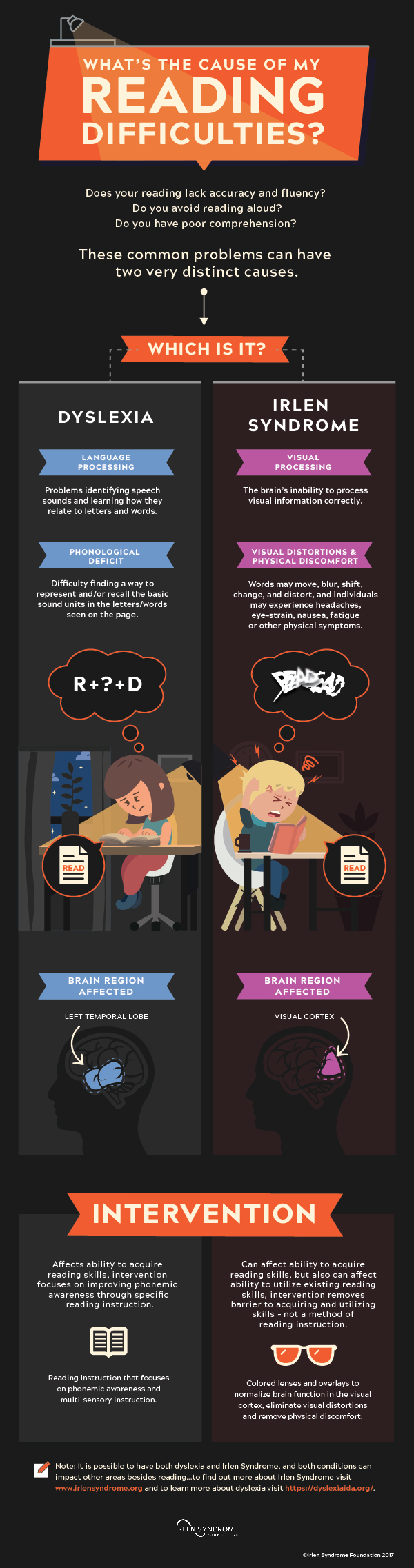
Irlen® Syndrome, also known as Scotopic Sensitivity Syndrome (SSS), is a perceptual processing disorder that affects the brain’s ability to process light and visual stimuli efficiently. It is not a reading disorder, dyslexia, or a vision problem, though it can impact visual activities like reading. Instead, it is an information and sensory processing issue, similar to other processing disorders identified through psycho-educational testing. Irlen® Syndrome is not a medical or optical condition.
Causes and Mechanisms
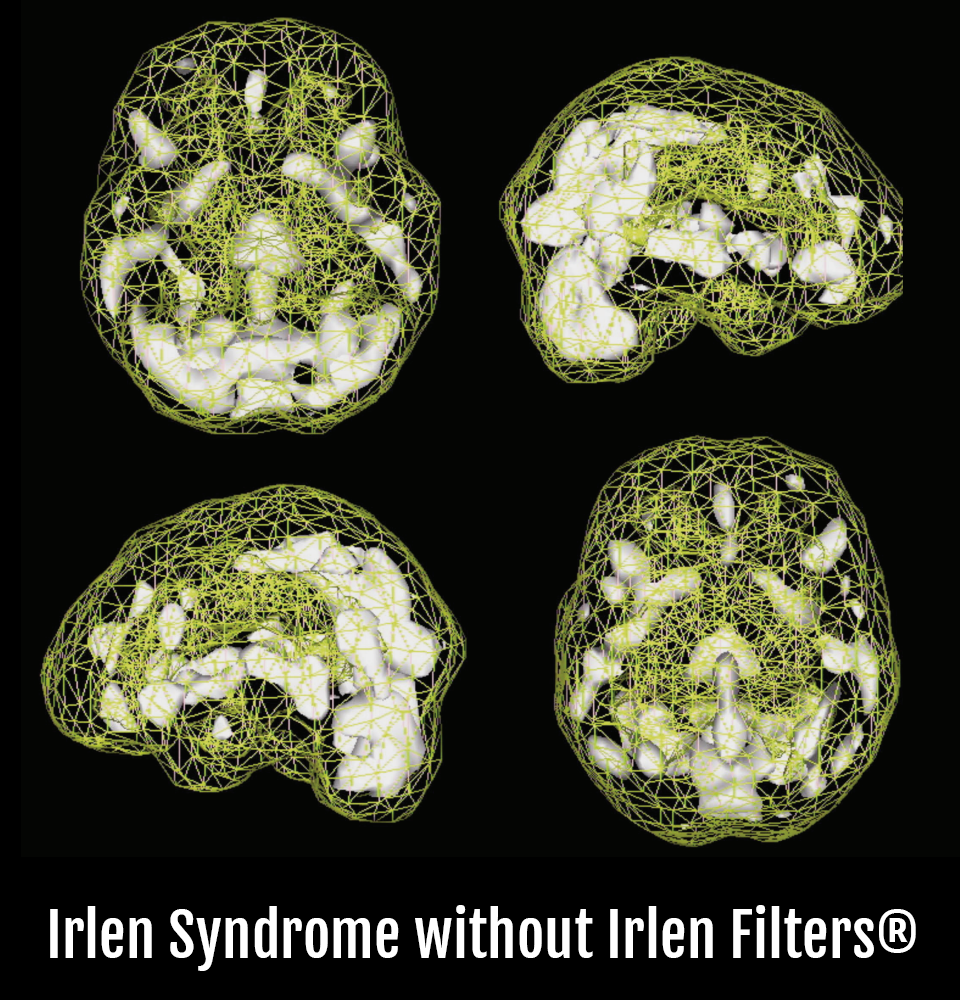
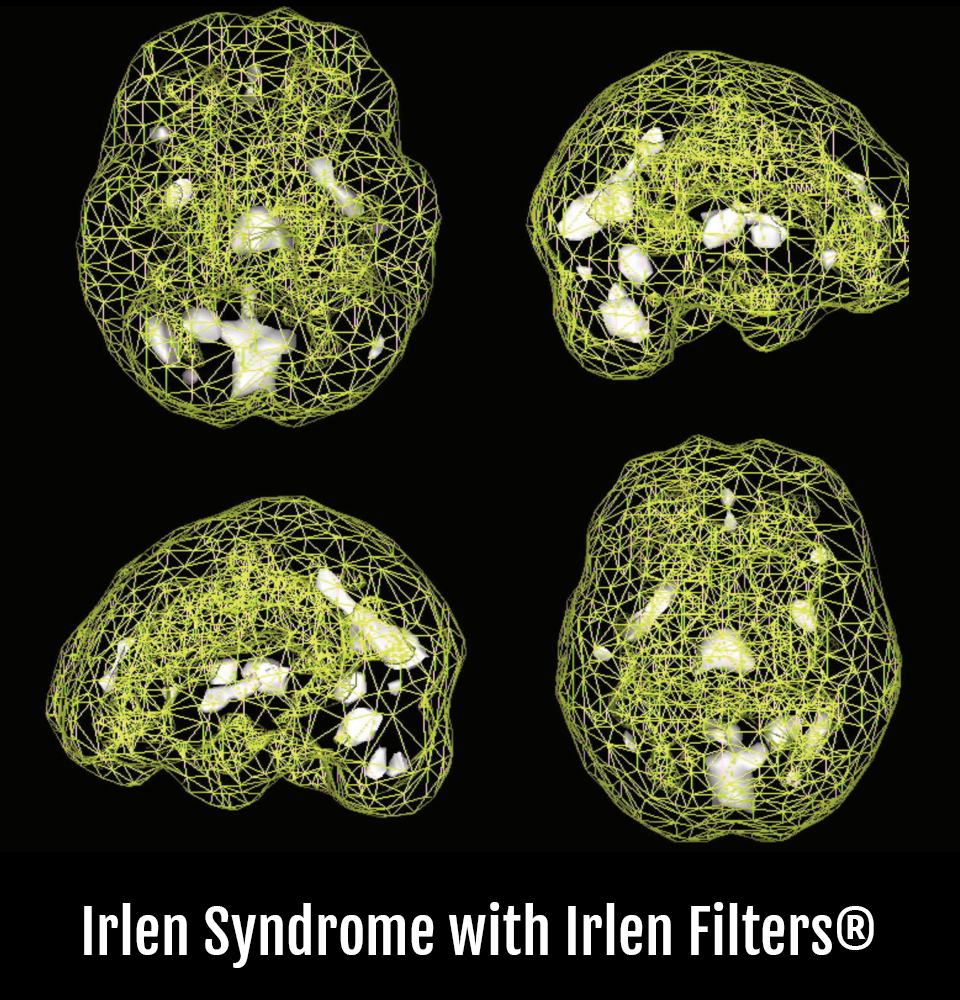
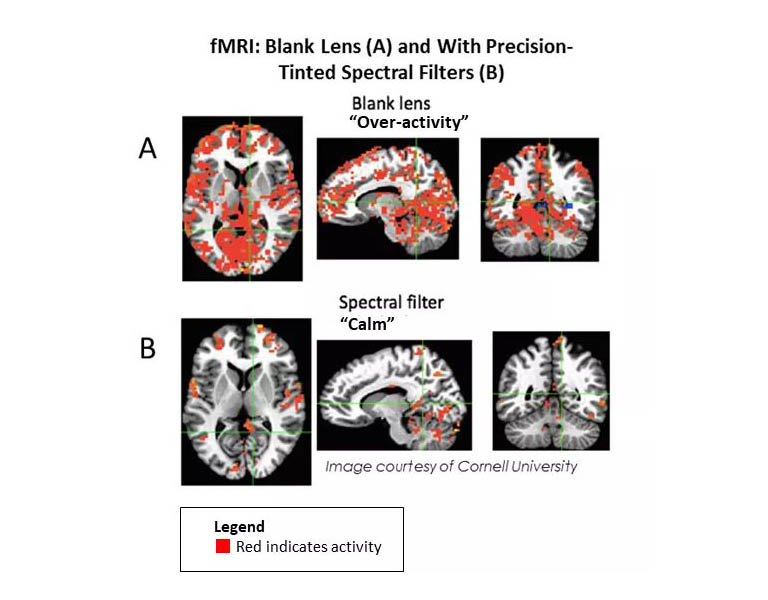
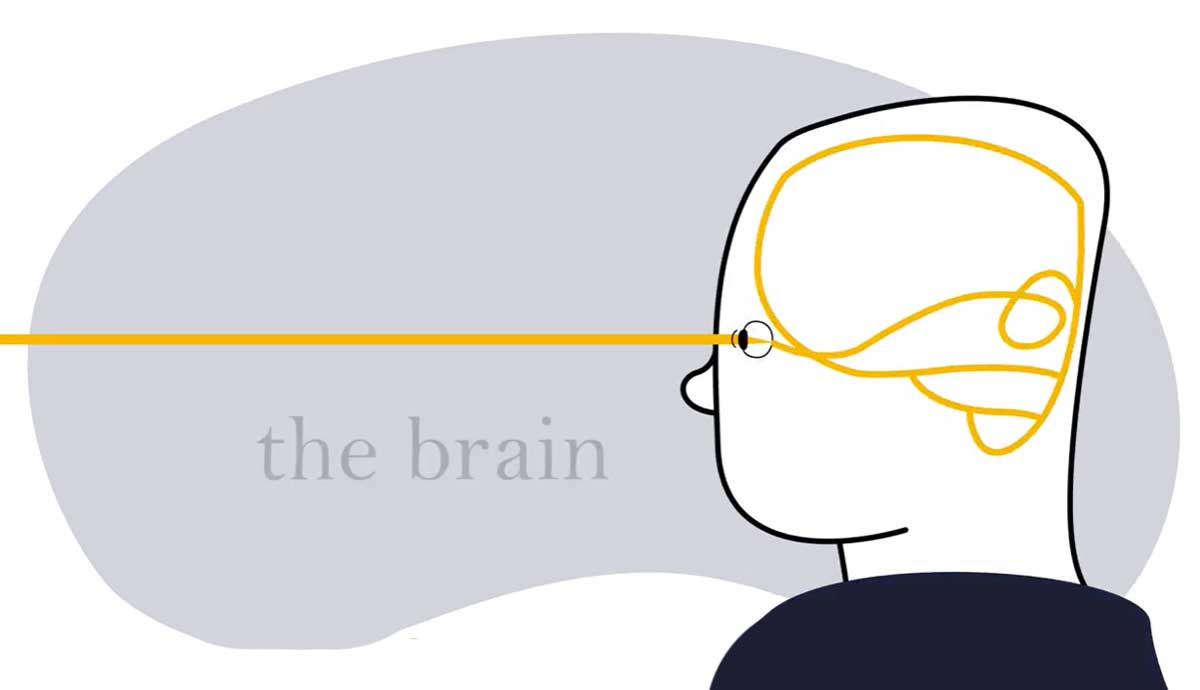
Research suggests Irlen® Syndrome is caused by a defect in one of the visual pathways from the eye to the brain, resulting in a timing difficulty when processing visual information. This overreaction to light leads to a range of visual, physical, cognitive, emotional, and neurological symptoms. Irlen® Lenses filter specific wavelengths of light, helping the brain process visual information more effectively.
Who We Help

The Irlen® Method is here for kids and adults who find themselves working extra hard just to keep up—whether it’s with reading, focus, motivation, or even just making it through the day without a headache. You don’t have to have a diagnosis or struggle with reading to benefit; even gifted students and strong readers sometimes deal with tired eyes, light sensitivity, or feeling “off” in bright or busy environments. The Irlen® Method is all about supporting brains that process visual information a little differently, helping with everything from ADHD and migraines to sensory overload, autism, and recovery from brain injuries. We know that everyone brings their own strengths to the table, and sometimes those unique differences mean you need a different kind of support.
For more specific information about the benefits of the Irlen® Method, or if any of this sounds familiar, check out more about “Who We Help” on the Irlen® website—because thriving is for every brain.
Symptoms and Impact
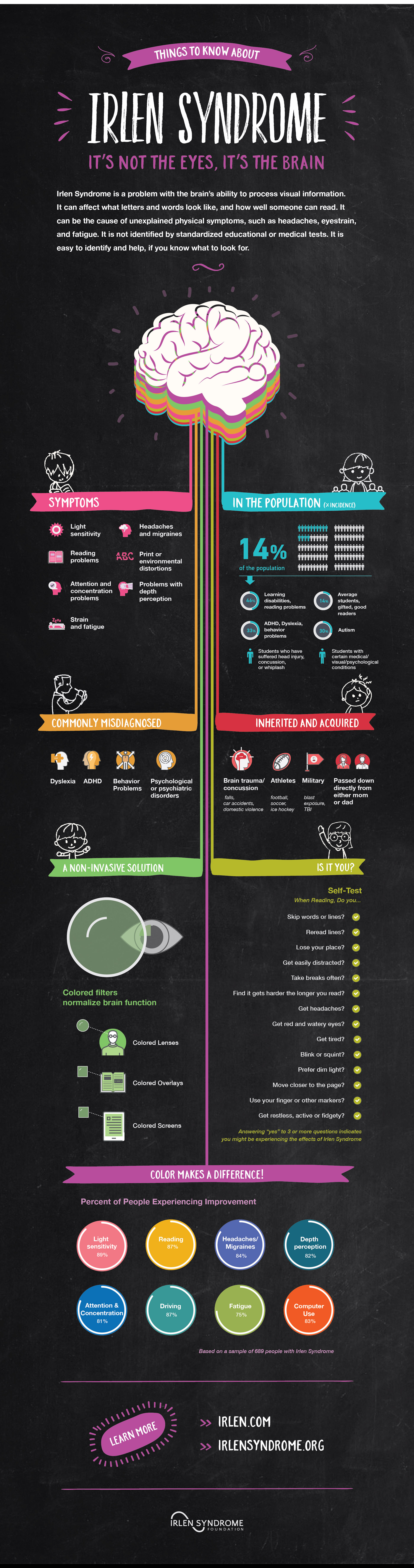
Symptoms of Irlen® Syndrome
- Sensitivity to bright fluorescent lighting and glare
- Slow or inefficient reading
- Poor reading comprehension
- Poor attention and concentration
- Eye strain
- Fatigue
- Headaches and migraines
- Poor depth perception
Do you see what I see?
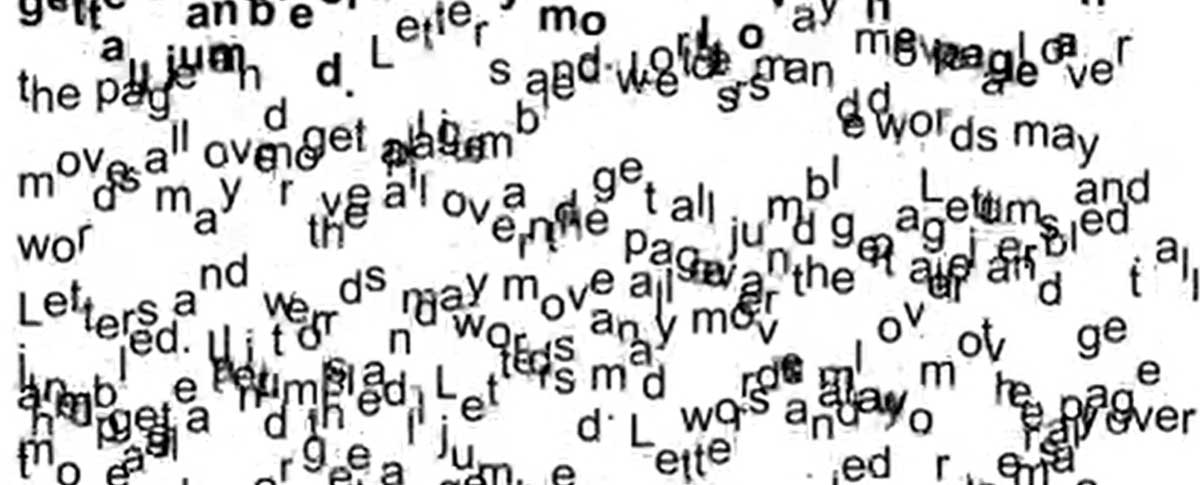
Watch the video above to see sample distortions of what it is like to read with Irlen® Syndrome
Prevalence
- Affects approximately 12% of the general population
- Present in up to 50% of individuals with reading difficulties
- Symptoms may overlap with other learning or processing problems
Spectrum of Severity
- Mild cases: Symptoms appear after 40–60 minutes of visual activity
- Severe cases: Symptoms begin within 20 minutes or less
- Symptoms worsen with continued exposure to bright lighting or prolonged visual tasks
Identification and Management
Diagnosis and Treatment
Irlen® Syndrome is identified through specialized screening. Not everyone with reading problems will benefit from Irlen® Filters or overlays; only those identified through screening will see improvements. Treatment involves either overlays provided by an Irlen® screener or custom-designed Irlen® Spectral Filters, tailored to each individual’s symptoms by a qualified Irlen® diagnostician.
Why Not Standard Tinted Lenses?
Colored sunglasses or standard tinted lenses do not provide relief for Irlen® Syndrome. Only precise, individualized Irlen® Spectral Filters are effective in addressing the specific visual processing difficulties.
Medical Considerations
Light sensitivity can also be caused by medical conditions such as corneal abrasion, uveitis, meningitis, or retinal detachment, or by side effects of certain medications. Medical evaluation is important to rule out other causes.
Learn More: Perceptual Processing Disorder
Perceptual Processing Disorders

What Are They?
Perceptual (visual) processing disorders occur when the brain has difficulty interpreting visual information. This is not a problem with the eyes but with the way the brain processes what is seen. Difficulties may include:
- Visual discrimination
- Visual memory
- Visual sequencing
- Visual-motor processing
Irlen® Syndrome is a specific type of visual processing disorder centered on light sensitivity.
Causes and Overlap
Visual processing disorders are often present from birth but can also result from head injuries. They may overlap with learning and attention difficulties.
Light Sensitivity and Environmental Triggers

Photophobia and Fluorescent Lights
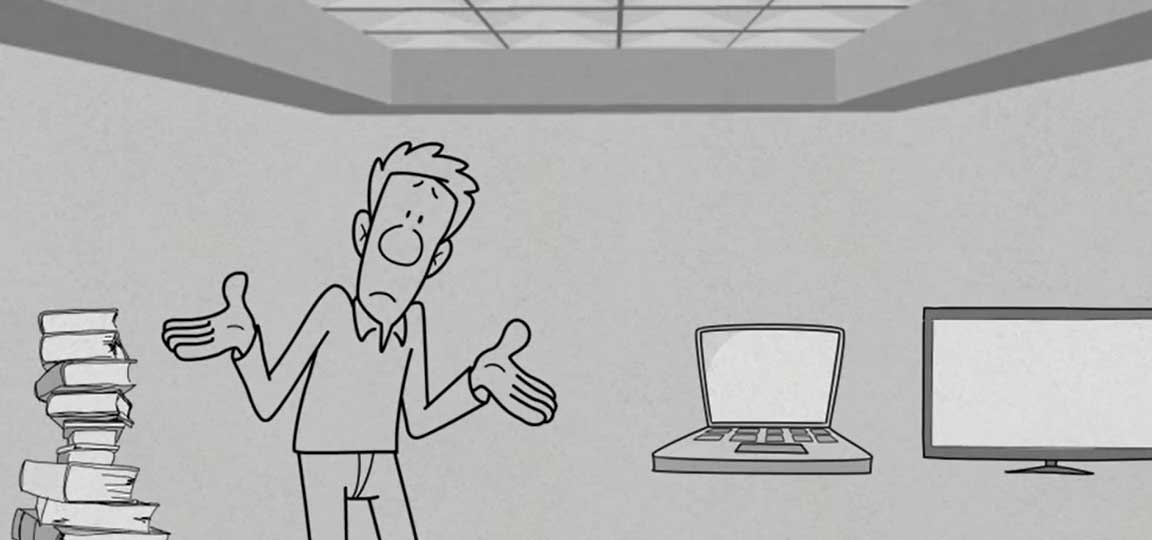
Photophobia is an intolerance to light, including sunlight, fluorescent lights, glare, and headlights. Symptoms may include:
- Eye strain and fatigue
- Sleepiness or nausea
- Dizziness and anxiety
- Irritability and discomfort
- Headaches and migraines
These symptoms can be triggered or worsened by environmental lighting and may be alleviated by Irlen® Spectral Filters.
Brain’s Response to Light
In Irlen® Syndrome, the brain is unable to adjust to varying brightness levels, similar to a malfunctioning volume control on a radio. This inability leads to discomfort and a range of symptoms.
Further Information
For more about Irlen® Syndrome, its effects, and current research, visit the official Irlen® website or consult a qualified Irlen® diagnostician. Always seek medical advice to rule out underlying medical causes of light sensitivity.
Irlen® Social Links
Copyright © 1998-2026 by Perceptual Development Corporation/Helen Irlen. All rights reserved.